
Written by Valerie Molina
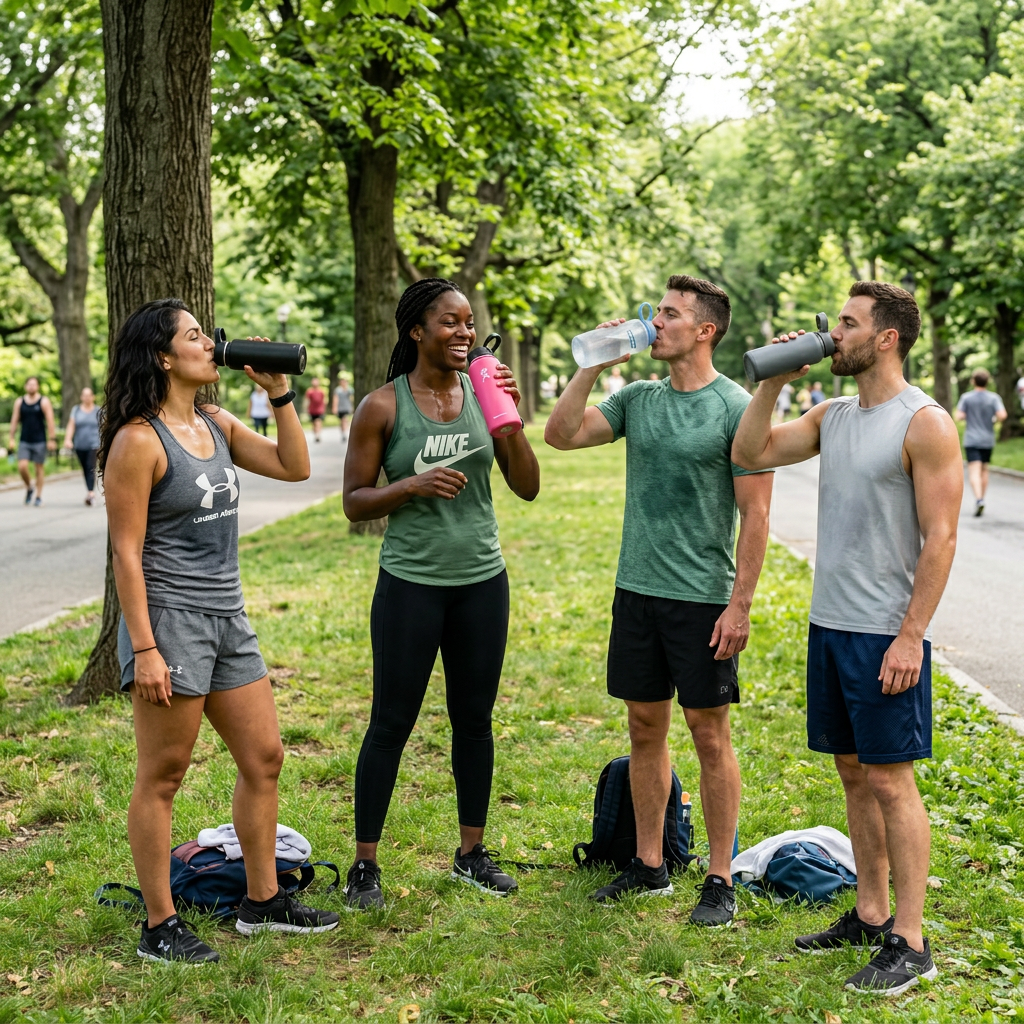
When temperatures climb, the importance of hydration often takes center stage. Social media fills up with gallon water jugs, electrolyte packets and drinks, and advice telling people to “drink more water”. But there is a little more to hydration than simply carrying around a giant water bottle.
Staying hydrated supports your energy levels, physical performance, digestion, mood, focus, and temperature regulation.1 In hot weather especially, our bodies rely on fluids and electrolytes to help keep us cool and functioning properly. And just like nutrition, hydration needs are highly individualized. Your needs may differ depending on your age, activity level, environment, sweat losses, medications, and health conditions.2 So what works for one person may not work for another.
Let’s dive into what actually matters when the heat is on!
Hydration is More Than Just Water
Water is important, but it is not the only thing that contributes to hydration. Many foods and beverages contain fluid and can help support hydration throughout the day. Fruits and vegetables with high water content (such as watermelon, cucumbers, oranges, strawberries, and lettuce) along with coffee, tea, milk, soups, and smoothies can contribute to your overall fluid intake.
Instead of trying to drink large amounts all at once, most people find regular fluid consumption with hydrating food throughout the day is easier. If you would like more ideas for hydrating foods, check out our post on How Hydrating Foods Can Help You Stay on Track with Your Daily Water Goals.
What Are Electrolytes-Do You Actually Need Them?
Electrolyte drinks and powders are everywhere with claims like: “Stop drinking plain boring water”, “Hydrate faster than water”, and “Drink this for instant energy” but what are electrolytes, actually? Electrolytes are minerals that help regulate fluid balance, muscle contractions, and nerve signaling. The main minerals working here include sodium, potassium, magnesium, and calcium.2,5
For casual daily activity, most people actually do not need these high-dose electrolyte supplements we see all over the market. Some cases where electrolytes may be considered include:
- Prolonged exercise
- Heavy sweating
- Outdoor work in hot weather
- Endurance events
- Illness involving vomiting or diarrhea
- Other medical situations involving significant fluid losses2
One of the biggest electrolytes lost through sweat is sodium. When sodium and fluids are lost at high rates (like endurance events) and not adequately replaced, performance and recovery can be affected.2,4 While electrolytes may be appropriate in this case, some products can contain large amounts of added sugar and/or sodium that may not be necessary for everyone. Reading labels and considering your actual activity level with a dietitian can help determine whether these products make sense for you.
Meal Timing Matters Too
Hydration and nutrition work together. Skipping meals for long periods, especially during hot water weather or activity can make it harder to stay properly fueled and hydrated. Meals and snacks naturally provide fluids, sodium, potassium, carbohydrates, and protein that can help support hydration and recovery.2 Some helpful habits may include:
- Starting an activity already hydrated
- Eating balanced meals consistently throughout the day
- Including fluids and snacks during prolonged activity
- Pairing fluids with meals or recovery snacks after sweating
- Rehydrating gradually after exercise or heat exposure instead of drinking excessive amounts all at once
For athletes and highly active individuals, hydration timing before, during, and after activity become more important. We discuss this more in our Hydration for Youth Athletes post.
Signs You May Need More Fluids
Mild dehydration symptoms can sometimes be easy to overlook, especially if you are out enjoying the summer sun. Some common signs include:
- Headache
- Fatigue
- Dry mouth
- Dizziness
- Dark yellow urine
- Muscle cramps2
Keep in mind that urine color is only one piece of the picture, and not a sole indicator of hydration status.
Practical Hydration Tips for Summer
Hydration does not need to be complicated. Small consistent habits often make the biggest difference. Here are some tips you can try today:
- Carry a reusable water bottle
- Pair fluids with meals and snacks
- Flavor water with fruit or citrus if plain water feels boring
- Include hydrating foods regularly
- Increase fluids during hot or humid weather
- Drink consistent throughout the day instead of all at once
Most importantly, remember that hydration is individualized. Your needs may change depending on your environment, activity level, and sweat losses. If you’d like to learn more about hydration basics, signs of overhydration, and general fluid needs, you can read our post on Importance of Hydration.
Our dietitians at Fit with Food are always here to help. Reach out with any questions or get started working with us today!
References
- American College of Sports Medicine. Nutrition and Athletic Performance. Medicine & Science in Sports & Exercise. 2016;48(3):543-568. doi:https://doi.org/10.1249/mss.0000000000000852
- Larson-Meyer DE, Woolf K, Burke L. Assessment of Nutrient Status in Athletes and the Need for Supplementation. International Journal of Sport Nutrition and Exercise Metabolism. 2018;28(2):139-158. doi:https://doi.org/10.1123/ijsnem.2017-0338
- How much water should I drink a day? – Harvard Health. Harvard Health. Published September 6, 2016. https://www.health.harvard.edu/healthy-aging-and-longevity/how-much-water-should-you-drink
- Barley OR, Chapman DW, Abbiss CR. Reviewing the current methods of assessing hydration in athletes. J Int Soc Sports Nutr. 2020;17(1):52. Published 2020 Oct 30. doi:10.1186/s12970-020-00381-6
- Evans GH, James LJ, Shirreffs SM, Maughan RJ. Optimizing the restoration and maintenance of fluid balance after exercise-induced dehydration. Journal of Applied Physiology. 2017;122(4):945-951. doi:https://doi.org/10.1152/japplphysiol.00745.2016
- Liska D, Mah E, Brisbois T, Barrios PL, Baker LB, Spriet LL. Narrative Review of Hydration and Selected Health Outcomes in the General Population. Nutrients. 2019;11(1):70. doi:https://doi.org/10.3390/nu11010070
- Wein H. Hydrating for Health. NIH News in Health. Published April 25, 2023. https://newsinhealth.nih.gov/2023/05/hydrating-health
Leave a Reply