
Tag: sportsnutrition
-

Nutrition Tips for Long Distance Runners
Written by Fit with Food Dietitian Grace Duffy, RD, LDN Why is nutrition important for distance running? Distance running, or endurance exercise, requires extra nutrition attention given the high demand that it places on the body. In order to use fuel efficiently, your body relies on carbohydrates as the primary fuel for endurance activities. The…
-
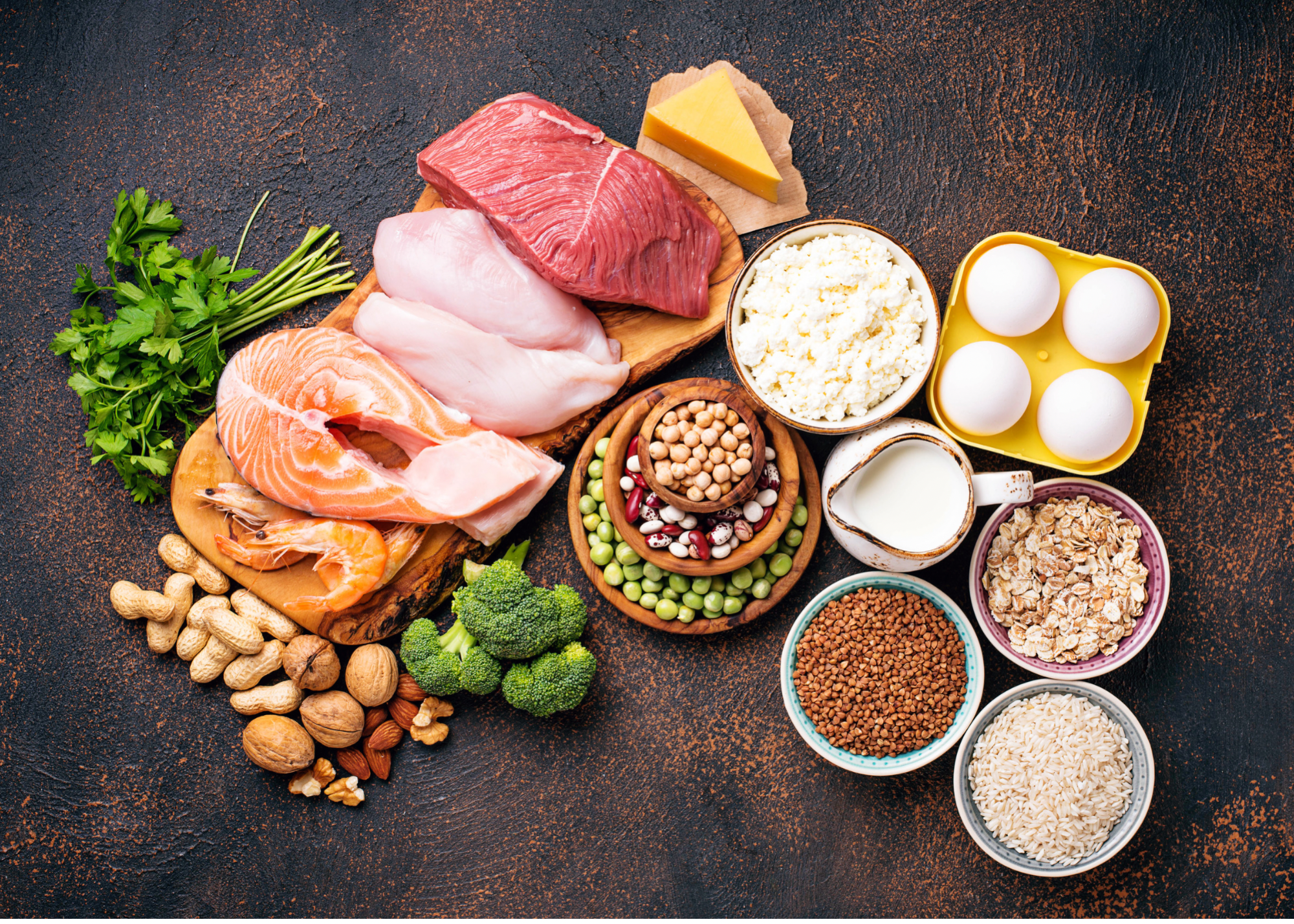
Protein: is it an obsession?
Written by Michael Reavis Jr., MS, RD, CSSD Protein is important, but in the modern world, is it becoming an obsession? “I need more protein; protein is the most important macro,” etc. These are sentiments that I find myself constantly addressing in my professional career. It is quite common for me to have clients who…
-

Do we Recommend the Human Being Diet?
Written by Michael Reavis Jr. | Lead Dietitian A recent client asked me about the following diet and I figured this may help a number of people. The Human Being Diet, like many diets before it, focuses on whole foods, low sugar intake, restriction, fasting, and a caloric deficit—without explicitly calling it such. The Pros…
-

Youth Athlete Nutrition
Written By Regin Smith | Reviewed by Fit with Food Dietitians Proper nutrition is very important for adolescents, especially those who are participating in sports or any sort of physical activity. In addition, when it comes to nutrition, it is also important to create a positive rhetoric around the topic to foster a healthy relationship…
-

The Carnivore Diet
Written by Regin Smith | Reviewed by Fit with Food Dietitians Over the past couple of years, the carnivore diet has been gaining popularity across social media. However, there are many health concerns that may be related to the consumption of this diet. What is the carnivore diet? The carnivore diet is a type of…
-

Athlete’s Gut Microbiome
Written by Regin Smith | Reviewed by Fit with Food Dietitians The gut microbiome has become an increasingly popular topic in nutrition and mainstream media over the years. The gut microbiome is an important part in your overall health and well-being, and for athletes, it plays a large role in their performance. What is the…
-

Micronutrients for Female Athletes
Written by Regin Smith | Reviewed by Fit with Food Dietitians When it comes to an athlete’s dietary needs, they commonly need more than the general population. This is true especially when it comes to micronutrients. Micronutrients are the vitamins and minerals your body needs for growth and development, and are an essential part of…
-

Plant Protein vs Animal Protein: is one better?
Written by Regin Smith Plant based eating has become increasingly popular throughout the years, and as it gains popularity, it also poses a lot of questions. A lot of athletes may be asking themselves “Can I still gain muscle while eating plant based?” The answer is yes! Although it may take a little extra effort…
-

Hydration for Youth Athletes
Written by Regin Smith With the summer months upon us, hydration is more important than ever. It is especially important for our youth athletes going into summer sports to stay hydrated on a daily basis. Hydration plays a critical role in youth athletes’ performance and safety, along with learning and setting yourself up for a…
-

Embracing Carbs & Understanding Their Crucial Role in Your Diet
Written by Sarah C. Fit with Food intern | Reviewed by Fit with Food dietitians In recent years, carbohydrates have endured a tumultuous relationship with the health and wellness community. Often vilified and blamed for weight gain, carbs have been subject to countless misconceptions. However, amidst the debates and fad diets, the truth remains: carbohydrates…
-

Apple Cider Vinegar: Beneficial for our health?
Written by Cami Salisbury | Reviewed by Fit with Food dietitians For years, apple cider vinegar (ACV) has been put on a pedestal in medicinal and culinary history for its countless healing benefits. I’m sure you’ve seen it advertised as a miracle elixir for everything from promoting weight loss to improving blood sugar levels, lowering…
-

Why Measurements Matter
Written by Michael Reavis Jr., MS, RD, LDN Athletes are intrinsically motivated by the desire to improve their performance and capabilities in their respective sports. Yet, when setting the goal that will lead to said improvement it is usually a singular goal: get stronger, get faster, get leaner, etc. Although these are all perfectly normal…
-

Weight Loss ≠ Increased Performance
Written by Michael Reavis Jr. MS, RD, LDN Summertime for athletes comes with goal setting, possibly some relaxation, and maybe even increased training without competition. Many athletes have summer leagues or summer training but nothing compared to the regular season. During summer, some athletes may have been encouraged by their coaches to lose weight in…
-

Getting Started with Positive and Sustainable Change
Written by Michael Reavis Jr. MS, RD, LDN I get versions of this question all the time: “So where do I start?” That is a great question, is it not? When I am working with a client I see these kind of questions as saying something like this: I have a goal, I know where…
-

Be Yourself: A Nutrition Paradox
Written by Michael Reavis Jr., MS, RD, LDN I want to start this blog by making one thing apparent. This is not “research-based,” I did not run a study when making this blog. The blog is completely observational from a dietitian who is passionate about food, health, helping people feel their best, and pays attention.…
-

Body Composition: The Question we Forget to Ask
Written by Michael Reavis, MS, RD, LDN Body composition, by definition in the athletic world, is considered to be the percentage of fat, muscle and bone that composes your body. Many clients and athletes’ goal is to change their body composition, almost always in favor of increasing their muscle mass and decreasing body fat. In…
-

Creatine for Athletes
Written by Jennifer Tanzi and Brooke Sadler | Reviewed by Emily Fultz, Dietitian What is Creatine? Creatine is a substance that is predominantly located within muscle cells. Your body has the capability to produce it through amino acids, but you can also acquire it through food. Dietary sources of creatine include red meat, chicken, pork,…
-
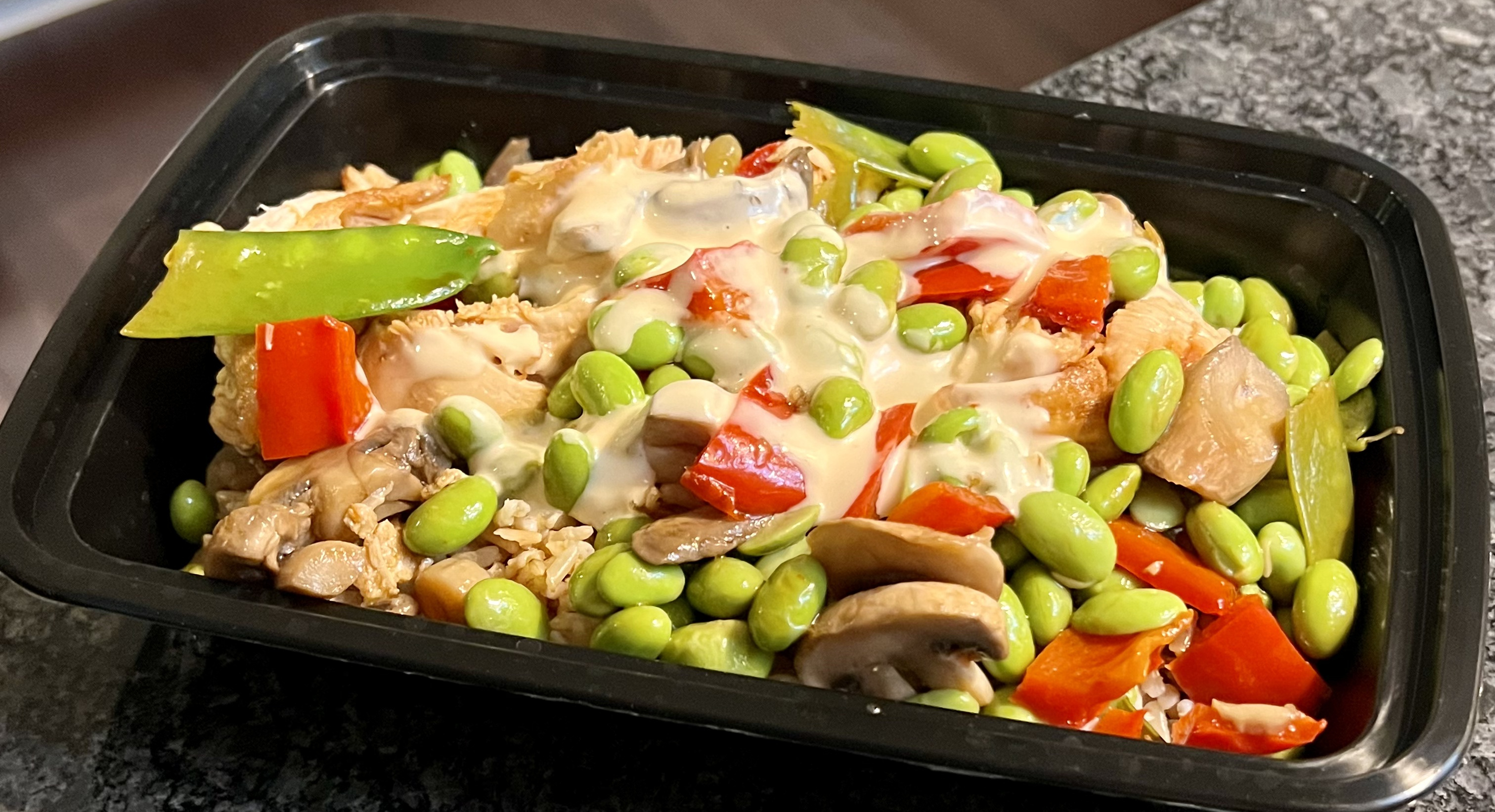
Meal Prepping 101
Written by Michael Reavis MS, RD, LDN and Fit with Food LLC If you have ever googled how to lose weight, if you ever went to a gym, or if you ever simply mentioned wanting to make healthier choices I am sure someone mentioned that meal prepping is the key. Usually the goal of people…
-

Understanding Orthorexia Nervosa
Written by Raina Zaman. Reviewed by Emily Fultz, MS, RD, LDN Orthorexia nervosa (ON) is a harmful obsession a person has with eating healthy or “pure” foods and maintaining a healthy diet. ON is not driven by the desire to lose weight; it focuses on the quality of food, rather than the quantity. The disorder…
-

Intermittent Fasting
Written by Ashley Fitzgerald & Emily Fultz, MS, RDN Intermittent fasting is alternatively cycling between periods of fasting and eating. Typically people do this overnight and rather than eating breakfast when they first wake up, they wait until late morning or early afternoon to break their fast. This type of intermittent fasting is called time-restricted…