
Written by Regin Smith | Reviewed by Fit with Food Dietitians
When it comes to pregnancy, there are a lot of adjustments that need to be made to one’s lifestyle, especially for those that live an active lifestyle. Understanding how to tailor your nutrient needs during this time is crucial to maintain a healthy pregnancy for yourself and your baby.
Increase Calories
Due to the extra demands pregnancy puts on your body, it requires more calories and nutrients to support healthy development and energy stores. If starting at a healthy weight, it is recommended to increase calories from trimester to trimester. Although, everyone has different caloric needs, so there is not one caloric value that fits for everyone. In the first trimester, there is no caloric increase needed. However, in the second trimester it is recommended that you add an extra snack to your daily intake. For the third trimester, 2 extra snacks or 1 extra meal is recommended to support healthy weight gain and energy.1
Protein
As an athlete, your protein requirements are already higher than the general population. The International Society of Sports Nutrition recommends 1.4-2.0 g of protein per kg of body weight for athletes and active individuals, this recommendation can be translated to pregnant athletes.2 If engaging in vigorous exercise, you will have an increase in protein needs to sustain and build muscle throughout pregnancy.
When choosing protein sources, there are a variety to choose from including animal and plant protein sources. Good sources of protein include beans, lentils, eggs, fish (low mercury fish is best for pregnancy), lean meats, tofu, cheese, nuts and poultry. It is important to select a variety of plant and animal sources to have a good mix of amino acids.
Fats
Healthy fats are also a crucial part of one’s diet. For pregnancy, omega-3 fats are particularly important, especially for promoting healthy weight gain. These sources should come from low-mercury fish if possible, or a combination of low-mercury fish and plant sources of omega-3s like canola oil, walnuts, and chia seeds. When it comes to fish, you should be aiming for 2-3 4 oz servings of low mercury fish per week.
Carbs
During pregnancy, it is important to focus on complex carbs and fiber. Many women struggle with constipation during this time, so fiber intake is especially important. Whole grains are a great way to increase your complex carbohydrate intake while also helping to supplement your folic acid intake. Many whole grains are fortified with folic acid, meaning it has been added back after the grain has been processed.
Some additional high fiber carbohydrate sources include fruits, vegetables, and legumes.
Micronutrients
One of the most important factors to consider during pregnancy is micronutrients. During pregnancy, micronutrient needs increase even more than your macronutrient needs. Some specific micronutrients to focus on include folic acid, calcium, iron, iodine, omega-3, and vitamin D. Folic acid is an especially important micronutrient during pregnancy, as it helps to reduce neurological defects in the baby.1 Calcium is also important for strengthening the bones and teeth and helps to support a healthy circulatory system.
A great way to help meet your daily micronutrient needs is to take a prenatal vitamin to supplement your diet. You can start to take a prenatal vitamin before conception as well as while breastfeeding.1
Exercising While Pregnant
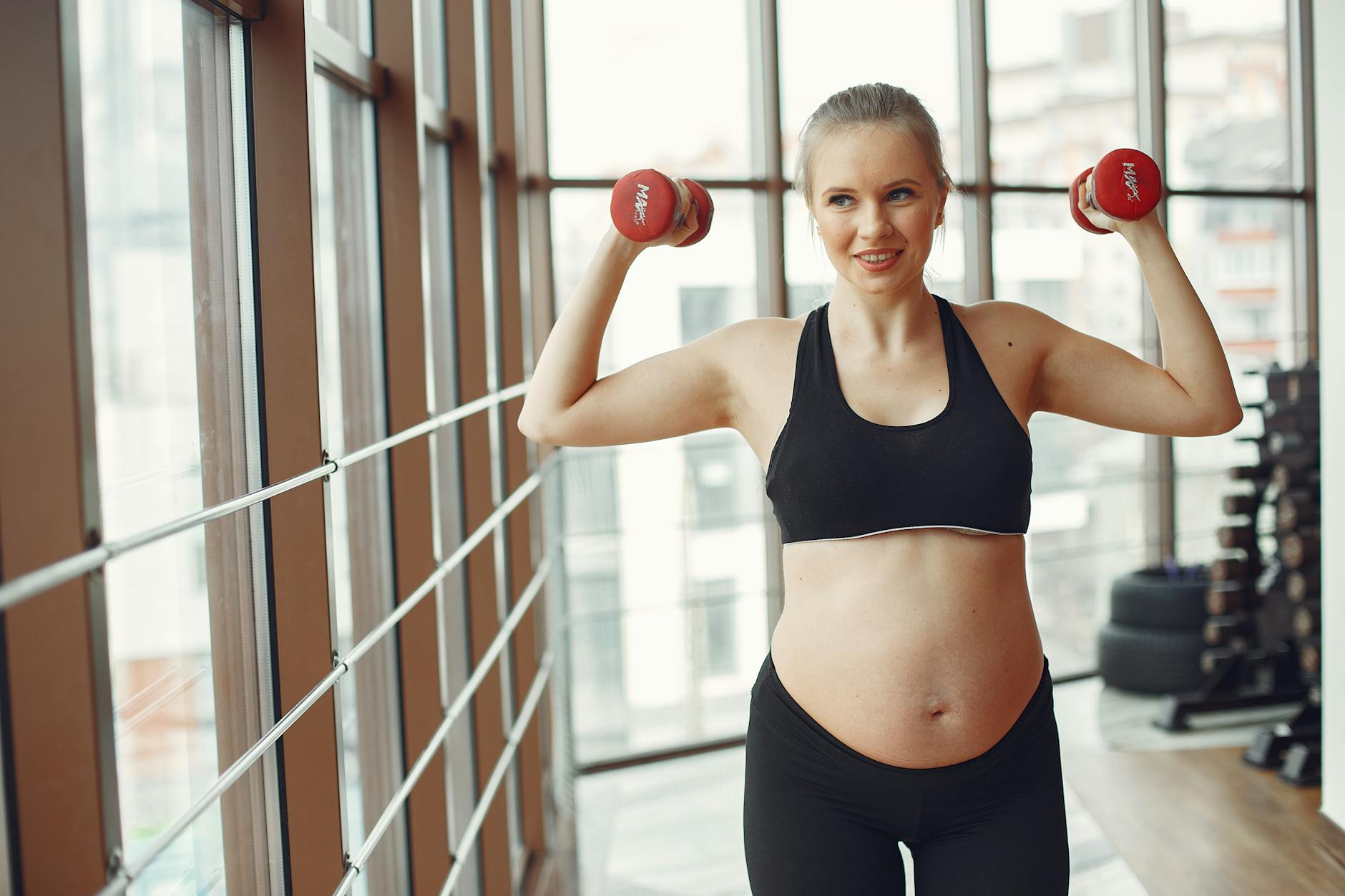
There are many benefits to exercising while pregnant when done right. Exercise can promote better physical and mental health during this time, as well as after. It may improve sleep, mood, and energy as well as promoting healthy weight gain and maintaining strength. Exercising while pregnant can also help to reduce your risk of developing gestational diabetes.3 However, it is important to speak with your doctor regarding any concerns you may have and modify activity as needed.
Seek Help
If you are feeling stressed about meeting your nutrient needs, do not hesitate to reach out to us with any questions. Our team of dietitians will be able to help you fuel properly for your performance and little one.
References
- Chien S. Best Nutrients and Foods to Eat When Pregnant. https://health.usnews.com. Published June 2024. https://health.usnews.com/health-care/patient-advice/articles/eating-healthy-during-pregnancy
- Jäger, R., Kerksick, C.M., Campbell, B.I. et al. International Society of Sports Nutrition Position Stand: protein and exercise. J Int Soc Sports Nutr 14, 20 (2017). https://doi.org/10.1186/s12970-017-0177-8
- Gregg VH, Ferguson JE 2nd. Exercise in Pregnancy [published correction appears in Clin Sports Med. 2018 Jan;37(1):xiii. doi: 10.1016/j.csm.2017.10.003]. Clin Sports Med. 2017;36(4):741-752. doi:10.1016/j.csm.2017.05.005
Leave a Reply