
Tag: athlete
-
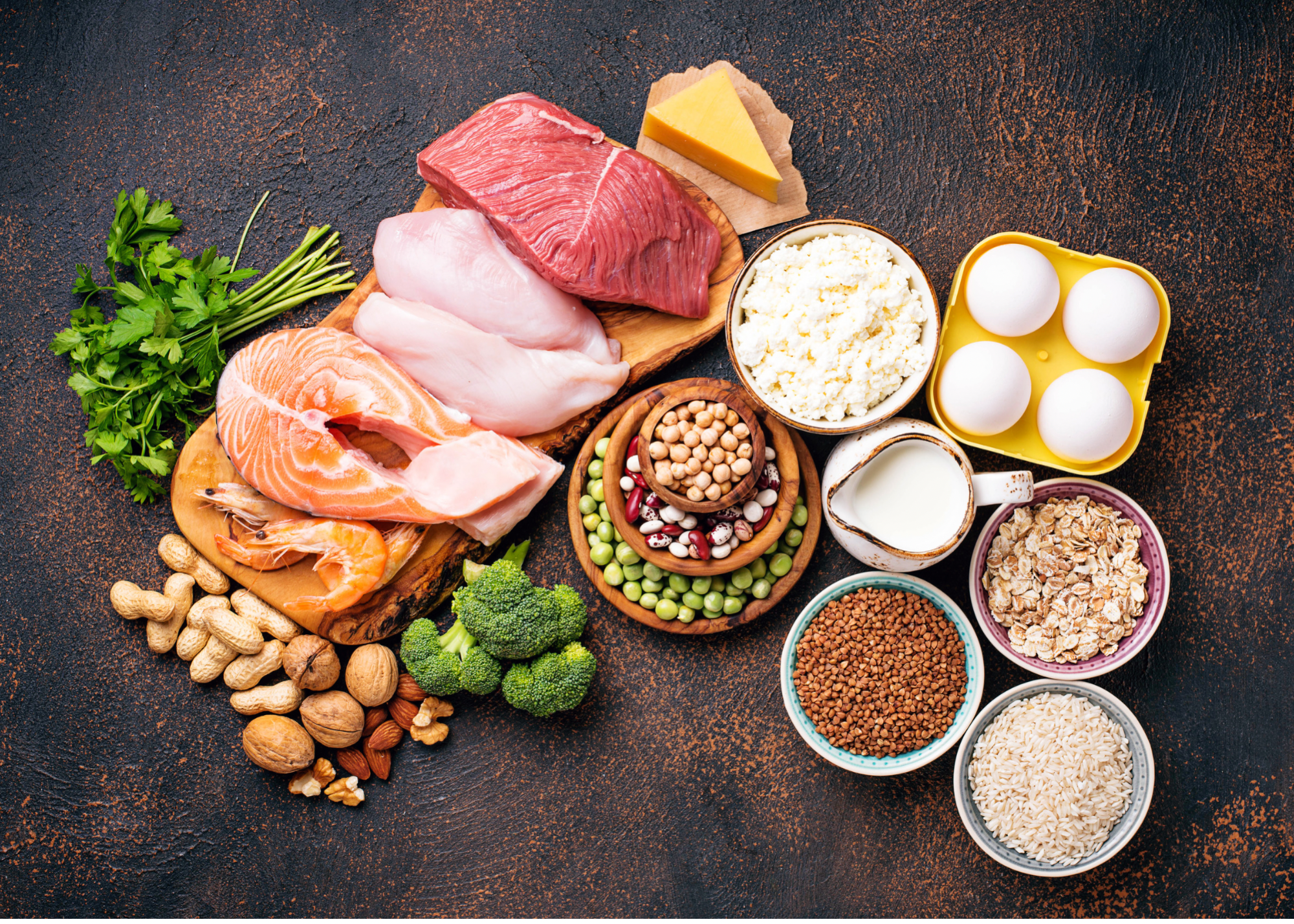
Protein: is it an obsession?
Written by Michael Reavis Jr., MS, RD, CSSD Protein is important, but in the modern world, is it becoming an obsession? “I need more protein; protein is the most important macro,” etc. These are sentiments that I find myself constantly addressing in my professional career. It is quite common for me to have clients who…
-

Athlete’s Gut Microbiome
Written by Regin Smith | Reviewed by Fit with Food Dietitians The gut microbiome has become an increasingly popular topic in nutrition and mainstream media over the years. The gut microbiome is an important part in your overall health and well-being, and for athletes, it plays a large role in their performance. What is the…
-

Hydration for Youth Athletes
Written by Regin Smith With the summer months upon us, hydration is more important than ever. It is especially important for our youth athletes going into summer sports to stay hydrated on a daily basis. Hydration plays a critical role in youth athletes’ performance and safety, along with learning and setting yourself up for a…
-

Why Measurements Matter
Written by Michael Reavis Jr., MS, RD, LDN Athletes are intrinsically motivated by the desire to improve their performance and capabilities in their respective sports. Yet, when setting the goal that will lead to said improvement it is usually a singular goal: get stronger, get faster, get leaner, etc. Although these are all perfectly normal…
-

Body Composition: The Question we Forget to Ask
Written by Michael Reavis, MS, RD, LDN Body composition, by definition in the athletic world, is considered to be the percentage of fat, muscle and bone that composes your body. Many clients and athletes’ goal is to change their body composition, almost always in favor of increasing their muscle mass and decreasing body fat. In…
-

Creatine for Athletes
Written by Jennifer Tanzi and Brooke Sadler | Reviewed by Emily Fultz, Dietitian What is Creatine? Creatine is a substance that is predominantly located within muscle cells. Your body has the capability to produce it through amino acids, but you can also acquire it through food. Dietary sources of creatine include red meat, chicken, pork,…
-

Intermittent Fasting
Written by Ashley Fitzgerald & Emily Fultz, MS, RDN Intermittent fasting is alternatively cycling between periods of fasting and eating. Typically people do this overnight and rather than eating breakfast when they first wake up, they wait until late morning or early afternoon to break their fast. This type of intermittent fasting is called time-restricted…
-

Becoming an Athlete Post Bariatric Surgery
Emily Fultz, MS, RD, LDN Exercise and nutrition play a big part in the life of an individual who recently had bariatric surgery. The super inspiring part is that many people are getting into competitive sports after surgery. Unfortunately there is not too much research out there yet about a sports nutrition diet for post…
-
Benefits of Sports Nutrition
Do you feel tired, sore, lightheaded, or even unmotivated while working out? Have you hit a plateau when it comes to the amount of weight you can lift or how fast you can run? Does your weight fluctuate or drop quickly during the sports season? Do you find yourself not losing fat or not gaining…
-
Athletes and Supplements
Some common questions that I hear are “what protein supplement is the best?” and “which pre–workout should I choose? My response – “Well, first let’s talk about your diet.” This is an important question to ask, because yes – taking supplements may be beneficial for some people, but taking them will not counter the negative…
-
Let’s Talk About Protein
Protein is essential to build and maintain muscle mass, but it is important to remember that muscle gain will only occur when protein intake and exercise are combined. ALSO – more is not always better. A diet high in protein but low in carbohydrates and fat simply means that your body will use protein for…