
Written by Maria Buxton, MS, RD, LDN
Our body has an ecosystem of microorganisms living in and on us at all times. This microbiome includes both beneficial bacteria and harmful bacteria. The types of carbohydrates we eat affect the overall health of the good bacteria, especially those helpful microbes that live in our guts. One carbohydrate that is beneficial for supporting our good gut bacteria is fiber.
Fiber is a type of carbohydrate that we get from plant sources, which is difficult for our bodies to break down. However, the bacteria that live within our intestinal system can! Bacteria in the hindgut ferment soluble fiber and convert it into metabolites, such as short-chain fatty acids, which we can use. These short-chain fatty acids help our guts produce a protective mucous layer over our intestinal lining that supports our immune system health. Additionally, soluble fiber swells up with water to form a gel-like material that helps our bodies slow gastric emptying, lower cholesterol, and improve blood sugar control. Some soluble fibers help the body remove toxins and provide anti-inflammatory benefits.
We can get soluble fiber from a variety of plant food sources. These foods include vegetables, whole fruits, whole grains, and legumes. The strongest anti-inflammatory benefits come from vegetable fibers because these fibers feed a greater variety of good gut bacteria and provide antioxidants.
There are no specific recommendations for soluble fiber alone. In reality, fiber-containing foods provide a mixture of soluble and insoluble fiber. Both types of fiber are beneficial. Insoluble fiber is well-known for its ability to add bulk to our stools which can help reduce constipation and diarrhea. The American Heart Association recommends 25-30 grams of dietary fiber for adults each day from food sources, not supplements. However, U.S. adults typically only get about 15 grams of dietary fiber per day!
Here are some tips to help you add more fiber and support your good bacteria!
- Slowly up your fiber intake over time to help avoid gassiness and bloating.
- Drink enough water as you add fiber to prevent constipation.
- Eat beets, carrots, leeks, and legumes for extra soluble fiber.
- Choose whole grains when culturally appropriate.
- Eat fruits with edible skins like pears, apples, and peaches.
- Eat a variety of non-starchy vegetables.
- Add beans, peas, chickpeas, and other legumes to meals.
- Add vegetables to baked goods like carrots, zucchini, and pumpkin.
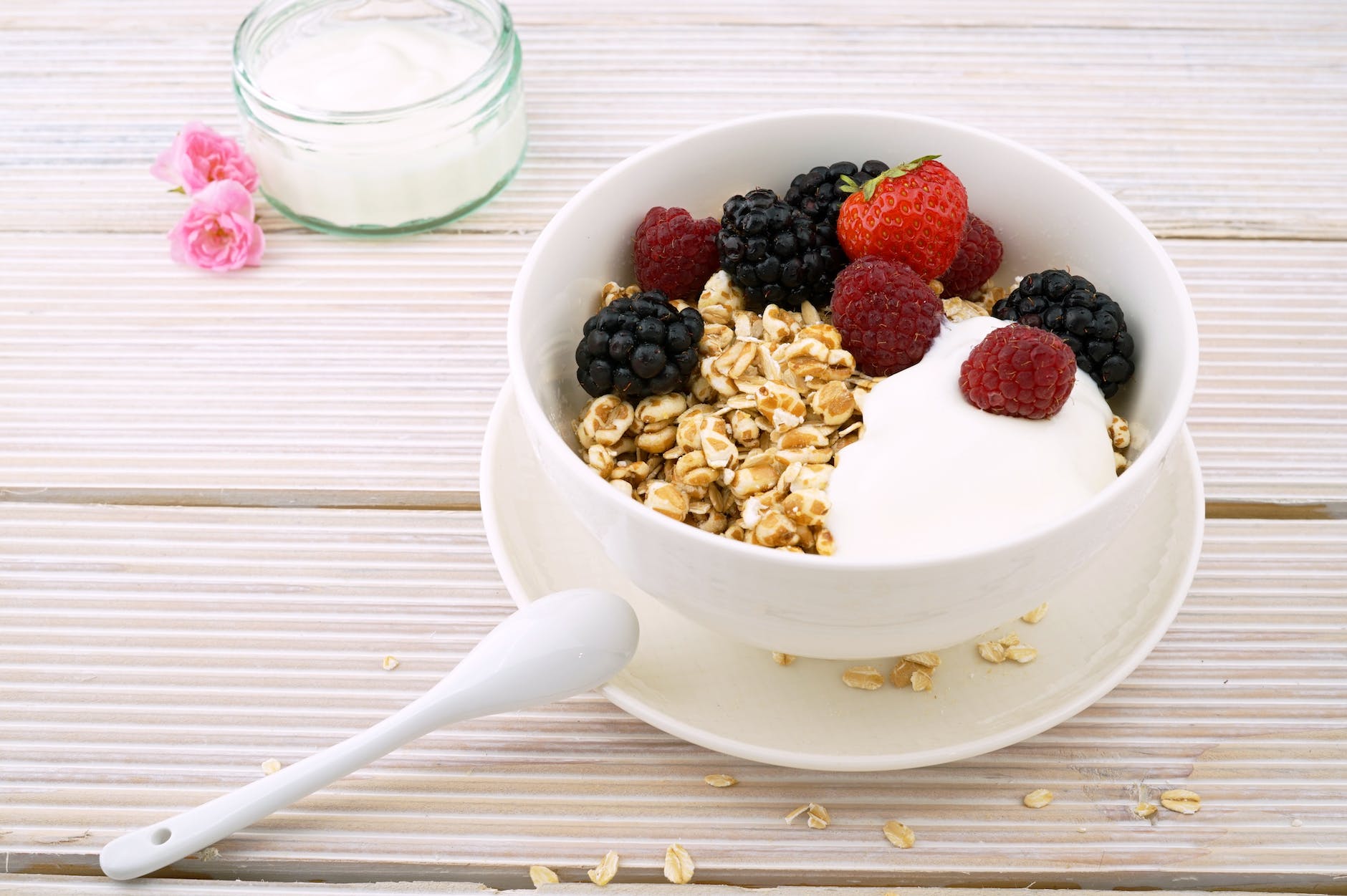
- Add nuts and fruits to oatmeal, yogurt, or smoothies.
Adding fiber from a variety of plant foods is key to helping a diverse group of good bacteria in your gut! For help with adding more fiber to your day and improving your nutrition, consider scheduling an appointment with one of our dietitians today.
Reference:
Bagnulo J and Dority L. Demystifying the confusion on fiber and carbohydrates in gut health. [Webinar]. GoTo Webinar. Presented Aug 2, 2023. Attended Aug 2, 2023.
Leave a Reply